Why Your Nervous System Might Be the Missing Piece in Pain, Stiffness, and Dysfunction
What 16 years of physical therapy—and a return to horses—has taught me about healing
Why I’m Talking About the Nervous System Now
Over the past five years, the way I practice physical therapy has fundamentally changed.
Not because anatomy stopped mattering.
Not because biomechanics became irrelevant.
But because I kept seeing the same pattern—over and over again:
People would do everything right.
They stretched.
They strengthened.
They rested.
They even addressed “the injured tissue.”
And yet… the pain persisted.
The stiffness returned.
The movement restriction never fully resolved.
What finally shifted outcomes wasn’t more exercise or more manual work—it was addressing the nervous system first.
Pain Is Often Protection, Not Damage
Your nervous system’s primary job is safety.
When it perceives threat—physical, emotional, chemical, or even relational—it responds with protective strategies:
- Increased muscle tone
- Guarding and bracing
- Altered breathing patterns
- Limited range of motion
- Compensation and altered movement patterns
These are not failures.
They are intelligent survival responses.
The problem arises when those protective patterns stay “on” long after the original threat has passed.
At that point, what we call pain, tightness, or dysfunction is often the output—not the cause.
How My Clinical Approach Has Changed
Earlier in my career, I practiced the way most highly trained orthopedic clinicians do:
- Identify the painful area
- Restore mobility
- Improve strength and control
- Re-pattern movement
That skill set is still incredibly valuable—and I use it every day.
What’s changed is the order.
Now, I start by asking:
- Is the nervous system in a state of safety?
- Is the body protecting for a reason that hasn’t been cleared yet?
- Are we trying to “fix” a pattern that the nervous system is actively defending?
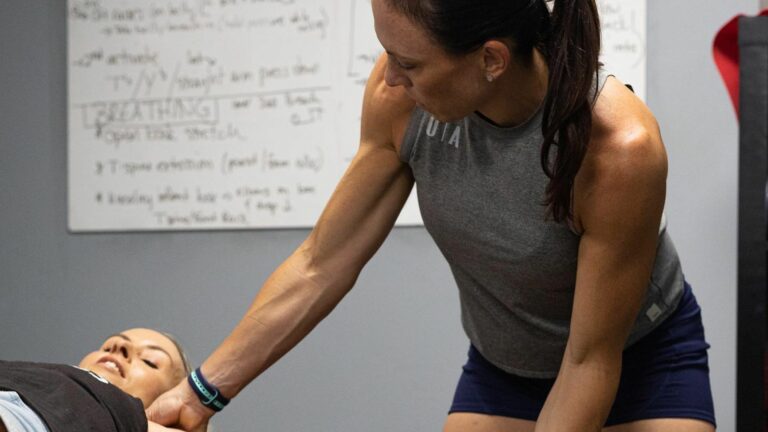
When I prioritize clearing protective patterns first—through nervous system regulation, breathing, manual input, and awareness—something remarkable happens:
Symptoms often change before we ever address tissue directly.
Pain decreases.
Range of motion improves.
Movement becomes easier and more coordinated.
Only then do I layer in my orthopedic and performance-based skills to address what’s truly left.
What Happens When Protection Is Cleared First
This approach does two powerful things:
- It reveals what actually needs treatment
Once the nervous system stands down, we can clearly see what’s a true mobility restriction, strength deficit, or mechanical issue—and what was simply protection. - It prevents fighting the body
When we skip regulation and go straight to correction, we often end up battling the nervous system instead of partnering with it.
Healing happens faster—and more sustainably—when the body feels safe enough to change.
Horses Have Been a Powerful Reminder
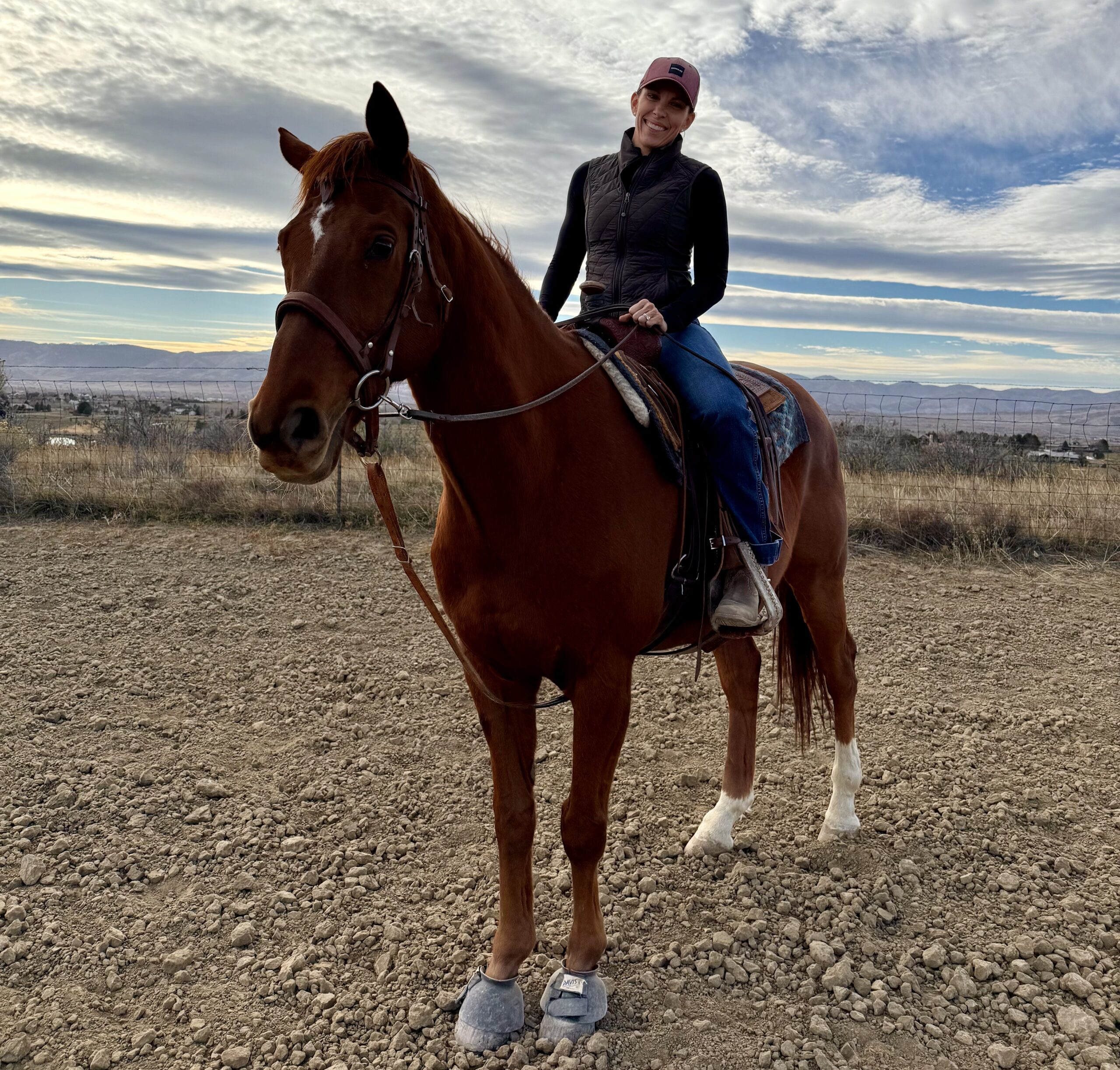
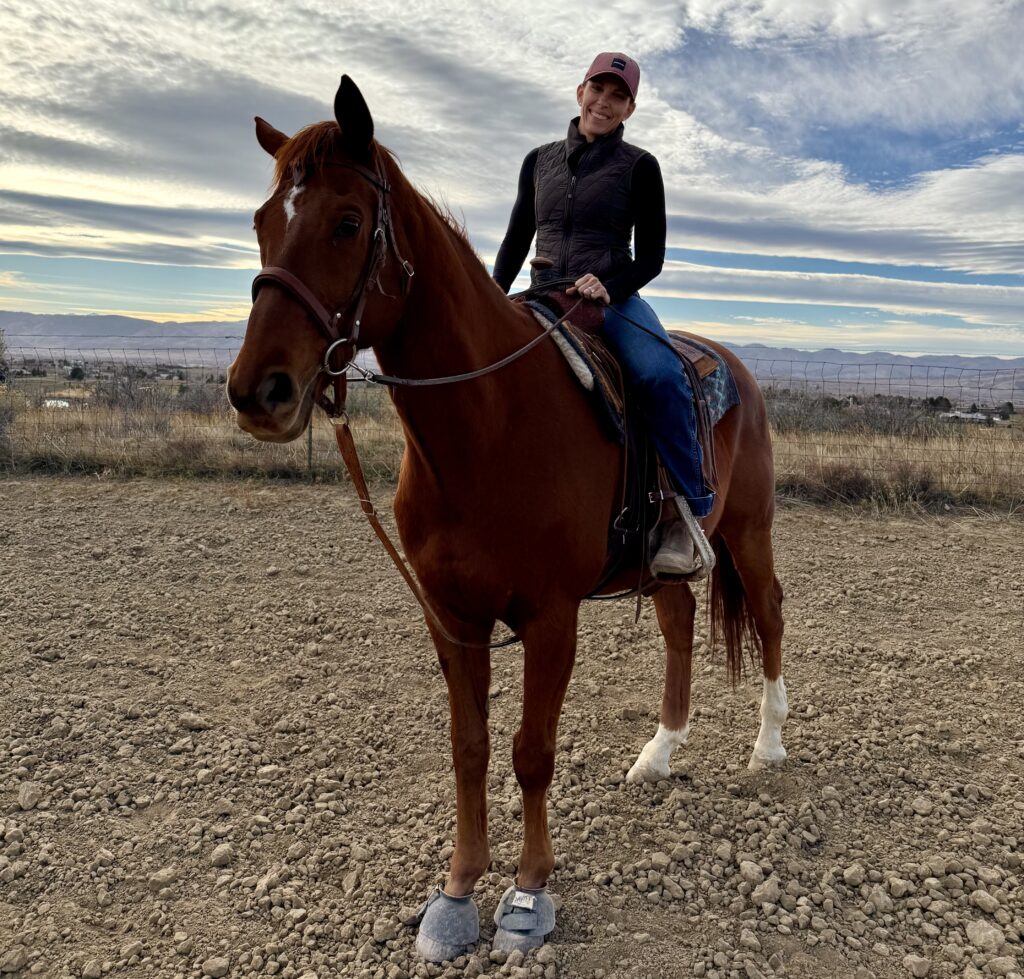
Recently, after more than 30 years away, I returned to riding horses—and the timing couldn’t have been more meaningful.
Horses are masters of nervous system awareness.
They don’t respond to what we say.
They respond to what we are.
If a rider is tense, braced, distracted, or dysregulated—the horse knows immediately.
If a rider is calm, grounded, and present—the horse mirrors that state just as quickly.
Working with horses has been a profound reminder that:
- Regulation is relational
- Safety is felt, not forced
- The nervous system always tells the truth
The same principles apply to the human body.
A Nervous-System-First Foundation
When we respect the nervous system, we stop asking:
“Why won’t my body do what I want it to do?”
And start asking:
“What does my body need in order to feel safe enough to change?”
From that place, strength, mobility, and performance don’t have to be forced.
They emerge naturally.
That’s the work I’m committed to—helping people move better, feel better, and perform better by addressing the root cause, not just the symptoms.
Final Thought
If you’ve tried everything and still feel stuck, it may not be because you haven’t done enough.
It may be because your nervous system hasn’t yet been given the signal that it’s safe to let go. And that’s where real change begins.
If you’re curious how nervous system regulation fits into your pain, movement, or performance goals, I’d love to explore that with you.
As my work continues to evolve, I’m open to exploring nervous-system–based work with riders and their horses in barn settings. If that’s something you’re curious about, feel free to reach out at [email protected]